
Winter Pruning: Essential Tips for Hydrangeas and Garden Health |
Proper late-winter pruning in Olympia enhances plant vigor and ensures vibrant blooms in the upcoming season. |
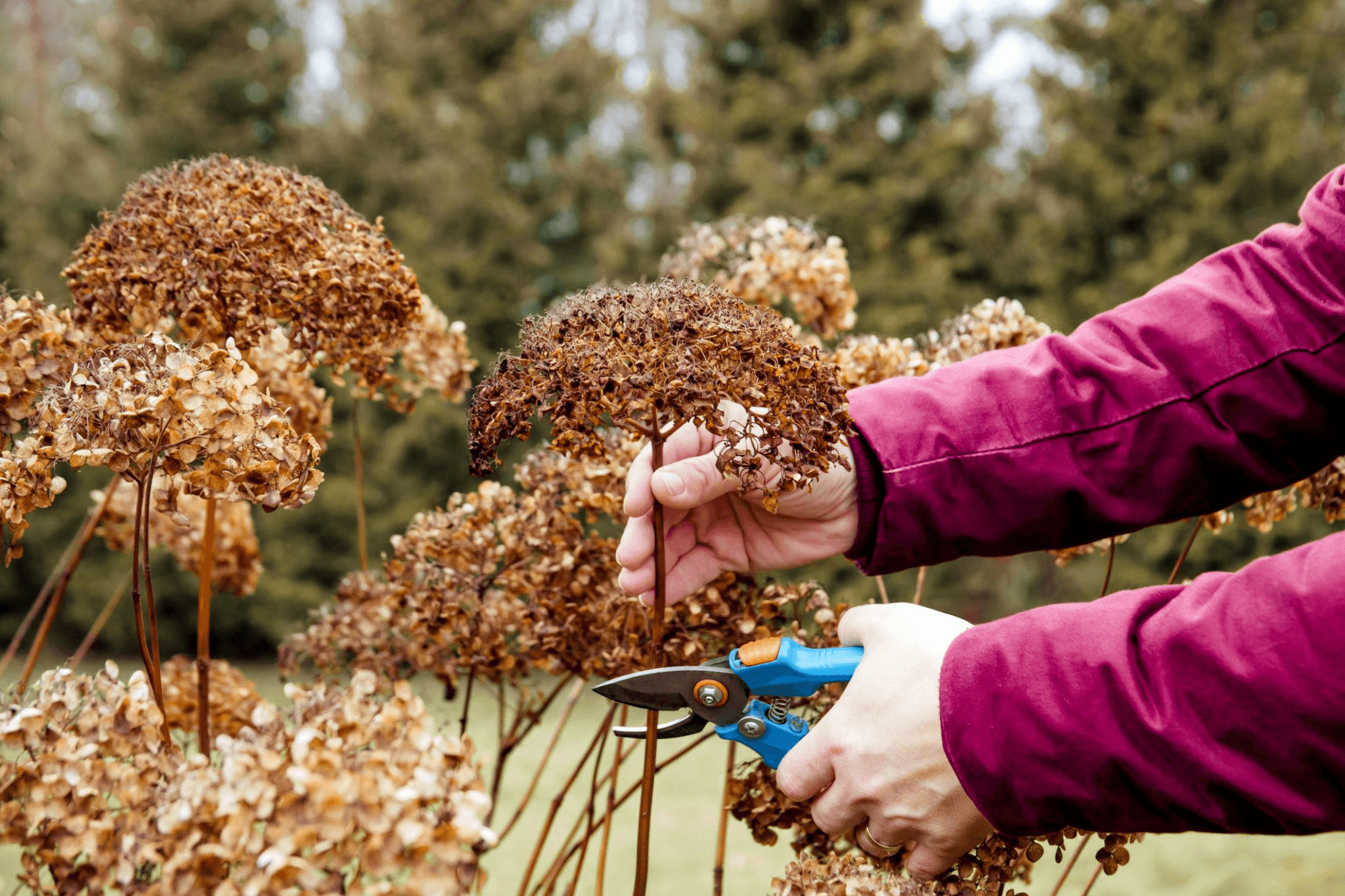
Late-winter pruning is crucial for promoting robust growth, improving airflow, and encouraging abundant flowering or fruiting in the coming months.
In regions with mild winters, February offers an ideal window for this task, as plants remain dormant and energy is concentrated in the roots.
Hydrangeas are a popular choice in many gardens, and understanding their specific pruning needs is essential.
For varieties like panicle hydrangeas (Hydrangea paniculata) and smooth hydrangeas (Hydrangea arborescens), which bloom on new wood, pruning in late winter or early spring is beneficial.
Cutting back these types by one-third to one-half encourages vigorous growth and enhances flowering potential.
However, for hydrangeas that bloom on old wood, such as bigleaf hydrangeas (Hydrangea macrophylla) and oakleaf hydrangeas (Hydrangea quercifolia), it's advisable to avoid pruning in late winter.
Pruning these varieties during this period can remove developing flower buds, leading to a lack of blooms in the summer.
Instead, prune these types immediately after they finish flowering to preserve next season's blossoms.
Beyond hydrangeas, several other plants benefit from February pruning:
Roses (Hybrid Tea & Floribunda):
Remove dead and weak stems, shape to 3–5 strong canes, and open the center to improve airflow and encourage vigorous spring blooms.
Apple Trees:
Pruning during dormancy reveals branch structure, making it easier to remove crossing limbs, water sprouts, and diseased wood, thereby enhancing fruit production.
Grape Vines:
Cut back up to 80–90% of the previous year's growth to concentrate energy into fewer, higher-quality fruiting canes.
Butterfly Bush (Buddleia):
Prune down to 12–18 inches; since flowers form on new growth, this prevents the plant from becoming tall and leggy.
For shrubs, vines, and berries:
Blueberries:
Remove the oldest, thickest canes at ground level and thin crowded growth to improve light penetration and fruit size.
Clematis (Group 3):
These bloom on new growth; cut back hard to 8–12 inches to encourage abundant summer flowering.
Raspberry Canes:
Remove last year's fruited canes and thin new ones to the strongest 4–6 per foot for better airflow and yield.
Lavender:
Lightly shape and remove winter dieback, but avoid cutting into old woody stems that won't resprout.
By adhering to these pruning guidelines, gardeners can direct spring energy into healthy shoots, stronger flowering, and improved fruit production.
Making clean cuts now also reduces disease issues and promotes better plant structure throughout the year. |
0 Comments
Join the conversation
Be the first to comment
Share your thoughts above.